Signal Intelligence · Monthly Review · OpenClaw Ecosystem
This month, the OpenClaw ecosystem revealed a stark picture of escalating systemic risk alongside a nascent, yet deeply conflicted, journey towards maturity. The gravity of agentic security threats became undeniable, with reports of "Malicious OpenClaw Skills" and "WhatsApp-to-Host Attack Chains" showing vulnerabilities that transcend mere bugs, indicating potential for broad botnet creation. Simultaneously, OpenClaw's move to a non-profit foundation and its iOS/Android launch signals a clear intent for wider, more responsible adoption and monetization through efforts like the "Creator Stack." However, this push clashes with the practical reality of difficult local setups and the deeply unsettling ethical abyss exposed by biohackers attempting neurosurgery on a lobster – a stark reminder that while the technology seeks mainstream trust, segments of its user base remain unmoored. The critical question remains whether the push for institutional credibility can outpace the irresponsible experimentation that threatens to define us.
Security researchers have uncovered five new malicious "skills" on ClawHub, OpenClaw's dedicated marketplace, demonstrating an evolving and significant threat to the AI supply chain. Identified by Pal
 02
02
The document provided, ostensibly titled “The Switzerland of AI”: OpenClaw becomes a non-profit foundation, does not contain an article discussing OpenClaw or its organizational structure. Instead, th
Analysis 03
03
OpenClaw, the AI agent platform previously known as Moltbot and Clawdbot, has officially launched native applications for iOS and Android devices. This development, announced by the company on X, brin
Analysis 04
04
An automated system built with OpenClaw, Claude, and Instagram trial reels has been used by content creator Ben Guez to generate significant engagement for dating outreach. Guez configured OpenClaw to
Analysis 05
05
Security researcher Chinmohan Nayak has disclosed details of three now-patched, high-severity vulnerabilities in the OpenClaw personal artificial intelligence assistant that, when chained, allowed for
Analysis 06
06
The provided markdown content for the article, titled "Setting up OpenClaw isn’t as straightforward as the internet wants you to think – running local AI on humble…", consists entirely of
Analysis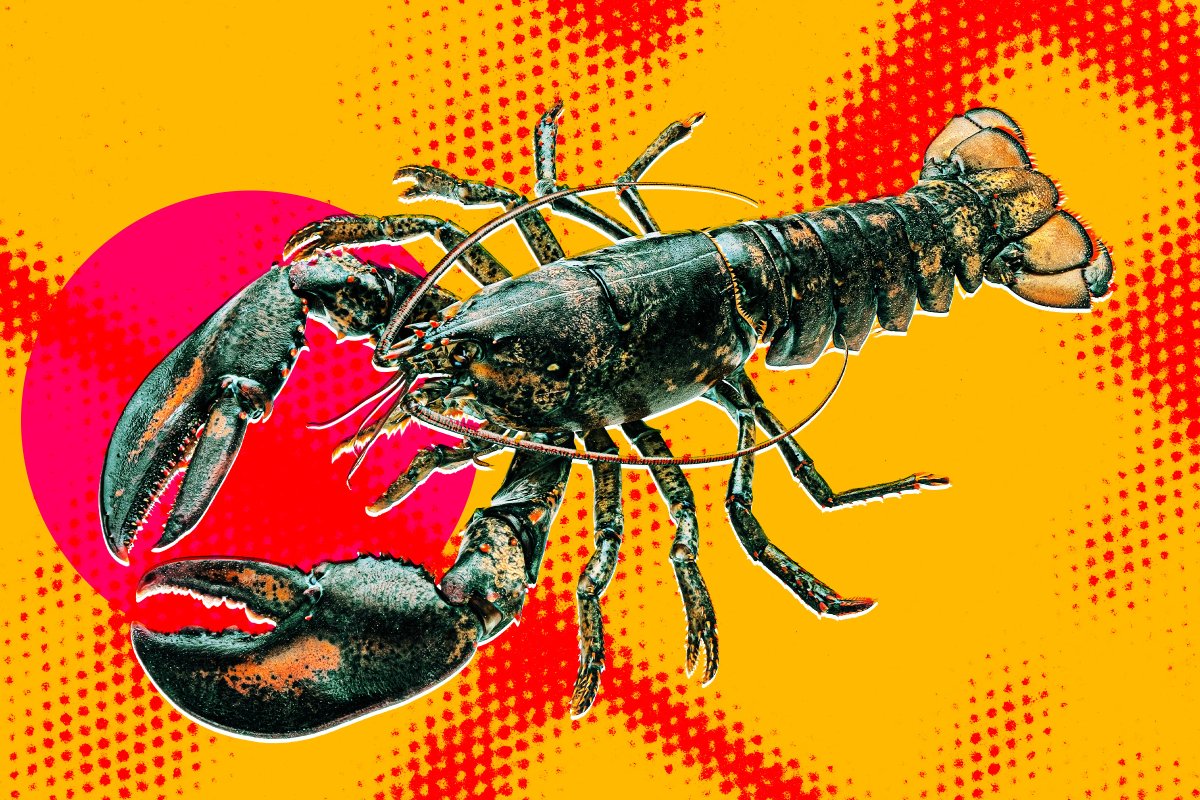 07
07
A recent attempt by tech founders in San Francisco to biohack lobsters, with the ambition of eventually controlling their nervous systems using the OpenClaw AI agent, ended in failure and the death of
Analysis 08
08
The provided markdown content appears to be primarily promotional material, navigation elements, and membership sign-up forms from TechRadar, rather than the article content itself describing how AI t
Analysis 09
09
The core opportunity within the nascent OpenClaw AI agent ecosystem is not in selling the agent framework directly, but in monetizing the "friction window" created by its current technical complexity
Analysis