Signal Intelligence · Monthly Review · OpenClaw Ecosystem
This month, OpenClaw's trajectory revealed a defining tension: a burgeoning, costly ambition squaring off against a persistent drive for accessible, practical deployment. Peter Steinberger's reported $10 million monthly token expenditure, while showcasing immense scale, starkly contrasts with the flurry of guides on self-hosting via Docker or running isolated instances on a Mac, highlighting users' eagerness for control and cost-efficiency. This pursuit of operational viability coincides with the ecosystem's clear maturation. Jensen Huang's dual praise for OpenClaw's robotics potential and his call for controls, alongside the OpenClaw Foundation securing the .claw TLD, speaks to a growing formalization and a realistic assessment of its impact. As comparative analyses like "Hermes vs. OpenClaw" further cement a competitive, utility-focused environment, the critical challenge becomes balancing OpenClaw’s transformative power with sustainable, equitable, and secure integration into daily operations.
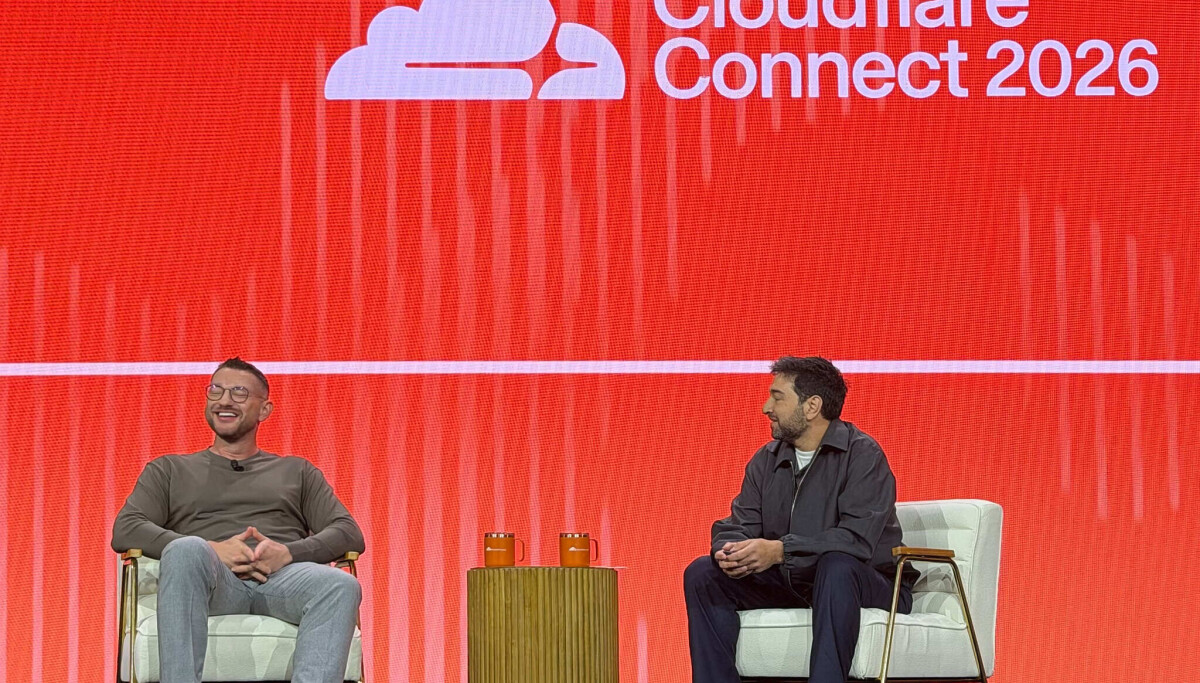
The creator of the OpenClaw agentic AI ecosystem recently disclosed a monthly expenditure of $10 million in "tokens." This figure represents a substantial financial outlay incurred over the past month
 02
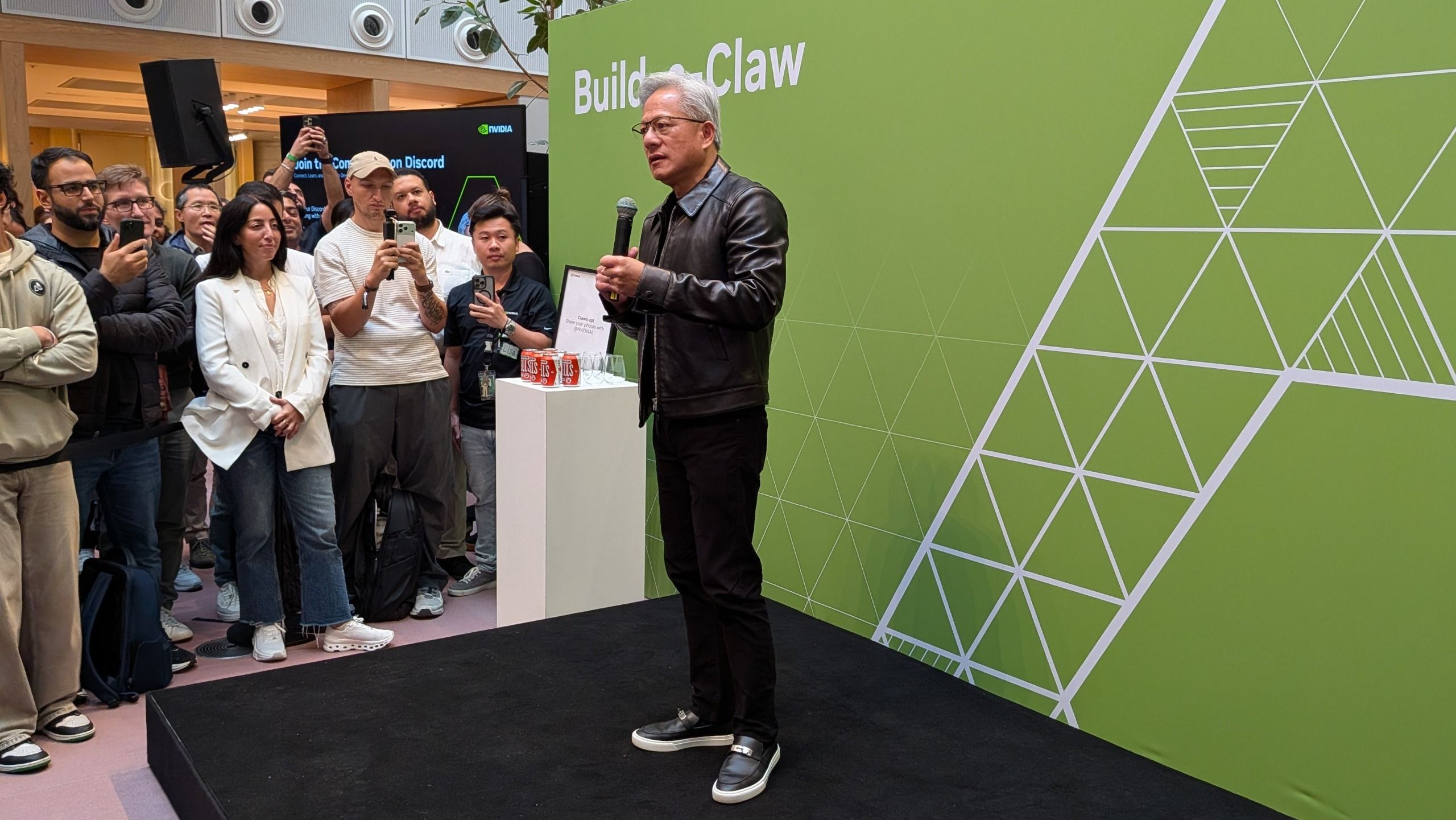
Nvidia CEO Jensen Huang has publicly acknowledged the OpenClaw agentic AI ecosystem, citing its potential to contribute significantly to the future of robotics. Huang’s remarks, as reported, express a
Analysis 03
As a journalist and analyst dedicated to the OpenClaw ecosystem, my primary directive is to provide clear, direct, and editorially grounded reporting, ensuring every claim is strictly traceable to the
Analysis 04
The core development highlighted is the conceptual shift towards an AI assistant designed to run quietly and persistently on a user's local machine, rather than operating as a typical web browser-base
Analysis
05
The article highlights critical security and operational considerations pertinent to deploying and managing OpenClaw or Hermes Agent servers. It identifies four specific areas that require immediate a
Analysis
06
OpenClaw has released specific instructions for users to set up and access its dashboard from their local network. The core development outlines a process where users download OpenClaw and can then op
Analysis 07
A detailed guide outlines a method for running an OpenClaw agent, an open-source personal AI assistant, entirely locally and securely isolated on a Mac, mitigating significant data exposure risks. The
Analysis 08
A seasoned technology journalist and analyst has fundamentally revised his assessment of agentic AI assistants within the OpenClaw ecosystem, shifting from skepticism to full-time adoption of Grokbot.
Analysis 09
The OpenClaw Foundation has successfully secured the `.claw` top-level domain (TLD) as part of ICANN’s 2026 application round. This pivotal development, announced by OpenClaw contributor Peter Steinbe
Analysis