Shorter Prompts Are Making Your AI Agents More Expensive
A recent analysis highlights that common attempts to reduce AI agent costs by shortening prompts are counterproductive, leading to increased expenses and longer task completion times. Unlike simple chatbots, AI agents engage in multi-step processes involving planning, tool calls, result interpretation, and revision, where each turn resends the entire context window. This iterative nature, often overlooked, is the primary driver behind significantly higher token consumption and escalating operational costs for agentic workloads.
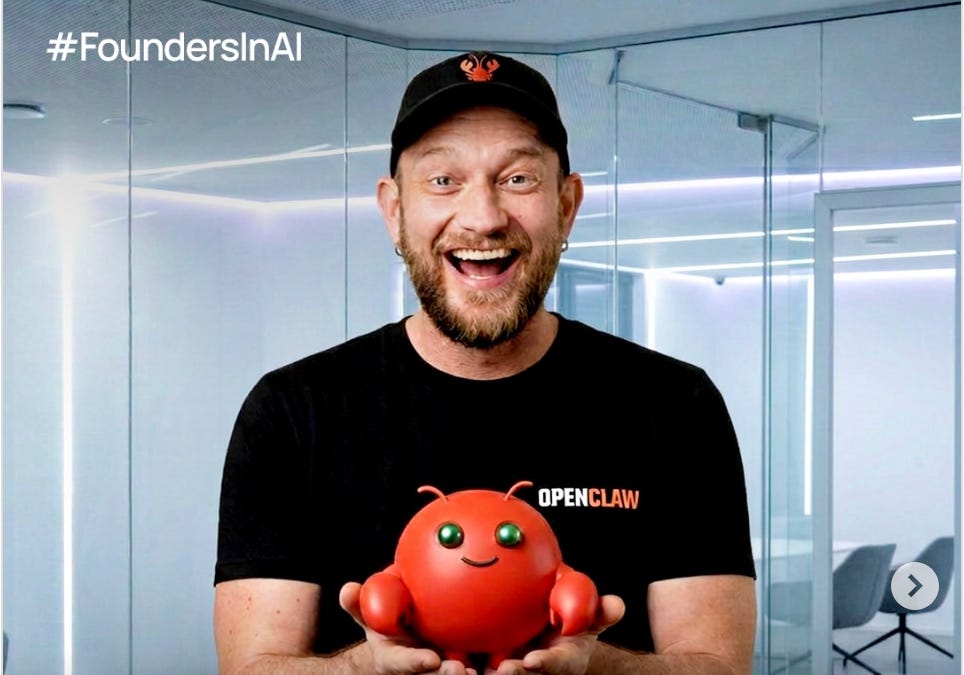
GitHub's internal testing revealed that using tools like Rust Token Killer to truncate shell output for coding agents often resulted in agents needing more turns to recover lost context, ultimately increasing overall task duration and cost. This inefficiency is exacerbated by the quadratic scaling of attention costs with sequence length, a factor starkly illustrated by OpenClaw creator Peter Steinberger's team spending $1.3 million on 603 billion tokens in a single month for 100 coding agents. Researchers from Harvard, MIT, and Northeastern are now studying OpenClaw and Codex precisely due to their immense token burn rates.
For the OpenClaw ecosystem, this analysis underscores the critical need for sophisticated context management within agentic frameworks, moving beyond simple prompt truncation. Developers must design agents that intelligently manage their working memory and tool outputs to minimize redundant token transmission across turns, rather than just shortening initial inputs. This insight is vital for building scalable and economically viable multi-agent systems, pushing the ecosystem towards more advanced, cost-aware agent architectures.
This signal is highly relevant for developers actively building and iterating on AI agents, particularly within the OpenClaw ecosystem, who must internalize the true cost dynamics of agentic workflows. Operators and product managers deploying these agents should pay close attention to avoid unexpected budget overruns, as evidenced by reported corporate rollbacks at large enterprises. Furthermore, researchers focused on agent efficiency and token optimization will find OpenClaw a compelling case study for developing novel strategies to mitigate