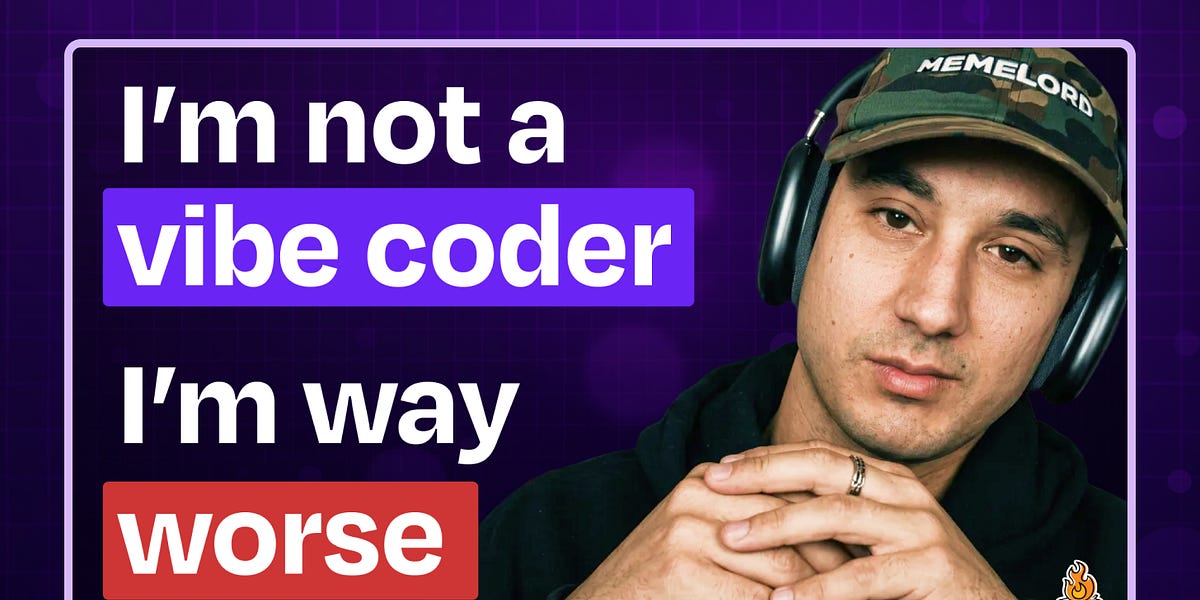
From a $6.90 newsletter to $3M API: How a non-coder built Memelord | Jason Levin
Jason Levin, a non-coder, successfully scaled Memelord from a $6.90/month newsletter to a $100K ARR no-code platform built on Bubble, ultimately raising $3M to transform it into an API-first product. This evolution signifies a deliberate pivot towards an agent-first future, where AI agents are increasingly becoming the primary users of the platform. Memelord now leverages advanced AI, including OpenClaw, to generate contextual and trending memes, showcasing a powerful transition from a manual, human-centric service to an automated, AI-driven solution.
A key technical detail is Memelord's adoption of the "no UX is the best UX" philosophy, designing its API primarily for consumption by AI agents rather than human end-users. OpenClaw is specifically utilized for agentic meme creation, as demonstrated in the accompanying video, and also for internal operational tasks such as calendar analysis. The platform's initial rapid growth was facilitated by Bubble, employing 395 workflows, before transitioning to a dedicated API leveraging LLMs like Claude and Gemini for sophisticated content generation.
For the OpenClaw ecosystem, Memelord's trajectory offers a compelling validation of how agentic AI frameworks can empower non-technical founders to develop and scale complex, creative products. The platform's agent-first design paradigm underscores the increasing importance of programmatic interaction over traditional user interfaces, suggesting a future where AI agents are significant consumers of specialized APIs. This successful implementation could inspire other developers and entrepreneurs within the OpenClaw community to explore similar agent-centric product strategies, particularly for tasks requiring nuanced understanding and creative output.
This signal is particularly important for developers keen on building agent-first APIs and understanding the practical deployment of agentic frameworks like OpenClaw in commercial products. Researchers should pay close attention to the "no UX is the best UX" paradigm as it represents a significant shift in human-computer interaction and agent design principles. Operators can gain valuable insights into scaling AI-powered ventures from initial no-code prototypes to robust API-first solutions, recognizing the potential for non-technical leadership and the strategic value of designing products with AI consumers in mind.